Mostrando entradas con la etiqueta MENTAL HEALTH. Mostrar todas las entradas

martes, 5 de mayo de 2015

ALCOHOL AND SUBSTANCE ABUSE

ALCOHOL ABUSE
-Acute alcohol intoxication: the main problems are hypoglycaemia, respiratory depression, airway protection and, in severe cases, fitting.
-Alcohol as a component of deliberate self-harm
-Alcohol dependence as a cause of deliberate self-harm
-Acute alcohol withdrawal syndromes: characterised by tremor, sweating, apprehension, nausea and vomiting, weakness and syncope, insomnia, auditory and visual hallucinations, fitting and severe confusion.
-Alcohol-induced disease: alcoholic gastritis, acute variceal bleeding, alcoholic liver disease or pancreatitis.
-Other alcohol-associated medical conditions: unexplained vomiting, atypical chest pain, binge-associated acute atrial fibrillation, hypertension, depression, unexplained falls and confusion in the elderly.

It is important to take a good drinking history to establish the amount and pattern of drinking and the level of dependence. 
The CAGE questionnaire:
-Have you felt you should Cut down?
-Have you been Annoyed by criticism of your drinking?
-Have you felt Guilty about your drinking?
-Do you ever have an Eye-opener in the morning to steady your nerves?
Two or more positive answers to the four questions suggests alcohol dependence.

Nursing tasks in alcohol withdrawal syndrome:
-Ensure patient´s safety.
-Check observations regularly and GCS.
-Monitor GMAWS.

-Observe for signs of trauma, nausea or pain.
-Look for signs of Wernicke´s encephalopathy : acute neuro-psychiatric reaction to severe thiamine deficiency common in alcohol misuse, characterised by acute onset of one or more of the following: acute confusional states, nystagmus and/or ataxia. It can progress to Korsakoff´s psychosis.
-Administer Pabrinex and Thiamine as prescribed, Librium (Chlordiazepoxide) should be prescribed as required.
-Provide a calm and reassuring environment as these patients are often frightened or apprehensive.


SUBSTANCE ABUSE

Cocaine
Cocaine imparts its desired effects by stimulating the release of the stress hormones (noradrenaline, adrenaline and dopamine) to inapppropriately high levels. The effects are dramatic, as may be the side-effects - notably stroke, heart attack and aortic dissection.
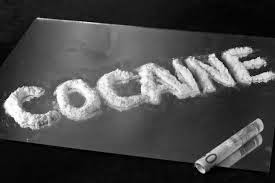

The nature of the cardiac damage includes cocaine-related chest pain, acute coronary syndrome, acute myocardial infarction, acute arrythmias and, with prolonged use, cocaine induced heart muscle damage. The sudden changes in pulse rate and blood pressure can trigger cerebral infarction, cerebral haemorrhage and can tear major blood vessels (aortic and coronary artery dissection).
Treatment of all of these complications should follow conventional lines except that beta-blockers are contra-indicated and that high-dose benzodiazepines may be needed to reduce cocaine-induced agitation.
  
Ecstasy
Ecstasy, or MDMA, has amphetamine-like properties which provide hyperstimulation, combined with the exertion of prolonged dancing, can result in:
-dehydration and electrolyte disturbance
-hyperarousal - agitation, tachycardia, hypertension
-muscle breakdown (rhabdomyolysis) and kidney failure
-hyperthermia up to 40°C
-convulsions
-acute liver failure
-severe acidosis

Management: reassurance and IV fluids are the main measures. Hyperthermia is managed by active cooling and with IV dantrolene 1mg/kg repeated as needed (maximum 10mg/kg). Acute agitation and convulsions respond to benzodiazepines. Acidosis may need correction with sodium bicarbonate.

Heroin abuse
Intravenous drug users are often admitted acutely with multiple complex medical, social and behavioural problems. There is frequently a conflict between the perception of the patient that withdrawal symptoms and pain are not being addressed and that of the carers who view challenging behaviour and "drug seeking". The key is an emphatic approach which is non-judgmental and focuses on the key issues of communication, co-operation and confidentiality (sometimes with the need to set defined limits to behaviour).
Heroin abuse is associated with several major health-related and psychosocial problems: HIV, hepatitis B and C, superficial and deep soft tissue sepsis, venous thromboembolic disease, opiate overdose, social isolation and crime.
Methods of heroin ingestion: inhaled (chase the dragon), smoked or injected (mainlining).


Heroin overdose
Patients are usually deeply comatose, with pin-point pupils. Treatment is with IV naloxone, the specific antidote, but reversal can be dramatic, leading to acute agitation, aggression and violence.

The current recommendations for a methadone treatment program are:
-only methadone syrup, not tablets, should be prescribed
-daily prescriptions should be given
-the effective maintenance dose should not exceed 50-100mg of methadone daily
Methadone programmes are carefully supervised and managed with a system of daily supply and directly observed ingestion. Apart from using methadone syrup, effective treatment programmes monitor drug ingestion with blood and urine testing.


Source:
-A nurse´s survival guide to acute medical emergencies, R. Harrison and L. Daly, Elsevier 2011

jueves, 30 de abril de 2015

DELIBERATE SELF-HARM AND OVERDOSES

DELIBERATE SELF-HARM
Vulnerable groups at risk of suicide:
-Recent acute psychiatric illness, particularly during the first week after discharge.
-Schizophrenia, especially in patients who are poorly compliant or lost to follow up.
-History of drug or alcohol abuse.
-Any patient who says that they are feeling suicidal, especially if accompanied by feelings of hopelessness.
-Patients living in social isolation with no family support.
-Several previous episodes of deliberate self-harm.
-A single episode of deliberate self-harm carries 1 in 20 rate of suicide within 10 years.


Type of patients admitted with deliberate self-harm:
-The embarrassed and impulsive: the spur of the moment, often triggered by a row and alcohol, not necessarily a trivial amount (often paracetamol) and low risk of recurrence or future suicide.
-The serious attempt: a planned event, carried out alone and in secret, no attempt to get help, suicide note, admits to the intended outcome, even "trivial" overdoses may represent a determined attempt at suicide.
-The recurrent attender: severe personality disorder, history of  violence, criminal convictions, drug and alcohol abuse, high risk of eventual success. 
-The high-risk self-harm: older, male, isolated, unemployed/retired, alcohol dependence, poor general health, violent method used, repeated attempts and suicide note.

Why do patients deliberately harm themselves?: to gain temporary respite, as a cry for help, as a signal of distress, communicating anger/eliciting guilt/influencing others and to end their lives.

Critical nursing tasks in deliberate self-harm:
-Care of the unconscious patient: ABCDE (check observations, GCS, ECG, gain venous access, etc).
-Take appropiate blood (glucose, alcohol, paracetamol, aspirin, LFT, INR) and urine tests (opiates, cocaine, amphetamines, ecstasy, hallucinogens).
-Decontamination of the gut: gastric lavage or activated charcoal (single dose or multiple doses).
-Ensure that all relevant information is available: mental state, past psychiatric history, previous self-harm, alcohol use, assessment of suicidal intent.
-Provide a suitable and safe environment in which to recover consciousness.


SPECIFIC OVERDOSES


  • Benzodiazepines

Benzodiazepines, unless taken as part of a more toxic cocktail, depress the consciousness level, but not sufficiently to put respiration at risk unless the patient also aspirates. Management is based on maintaining respiration and keeping a secure airway. The specific antagonist IV flumazenil reverses benzodiazepine coma immediately, but the drug has potential problems: the effects of a single dose soon wear off which may trigger acute agitation and if tricyclic antidepressants may also have been taken, flumazenil is contraindicated.


  • Paracetamol

Paracetamol remains the most common cause of acute liver failure in the UK.
For most patients 12g of paracetamol or more than 150mg per kg body weight can produce severe liver damage.

Clinical picture of severe paracetamol toxicity:
-0-24 h: minimal immediate symptoms, mild nausea and vomiting within a few hours, liver function tests normal in the first 12 h, abnormal by 18 h.
-24-48 h: right upper abdominal pain with continued vomiting, liver tenderness, progressively deranged liver function tests, prolonged prothrombin time, loin pain, haematuria, proteinuria and deteriorating kidney function.
-Days 3 and 4: maximum liver damage on fourth day, jaundice and increasing confusion with grade 3/4 hepatic encephalopathy.

Immediate management:
-Establish the exact timing of the overdose (time tablets swallowed, time help arrived, could the overdose have been staggered over several hours?).
-what else was taken?
-is this a susceptible patient (eating disorder, HIV, cystic fibrosis or malnourished, chronic alcoholic, epileptic/anti-TB drugs, underweight).
-consider activated charcoal: overdose taken within an hour and methionine is not going to be used (charcoal inactivates methionine).
-take blood for measurement of. paracetamol levels.
-start N-acetylcysteine (Parvolex) treatment if indicated (patient needs to be weighed for the correct dose). Repeat LFT´s and prothrombin time at the end of the infusion (20 h).

There is a poor prognosis 24 h after the overdose, patients should be discharged only after psychosocial assessment, after completion of N-acetylcysteine and if there are no symptoms.
Clear instructions should be given to the patient who discharges themself: to return if there is abdominal pain, persistent vomiting or confusion.


  • Antidepressants

There are two types of antidepressants used in deliberate self-harm:
-the older tricyclic antisepressants: these are dangerous and cause coma, convulsions and cardiac arrhythmias. Dothiepin is the most dangerous.
-the new generation of antidepressants (SSRIs). drugs like fluoxitine can cause "serotonin syndrome" - acute confusion, fever, muscular rigidity and twitching.
Management:
-The main dangers are: respiratory depression, cardiac arrythmias and convulsions.
-Patient remains at risk for at least 12 h after admission and are prone to arrythmias if they mobilise prematurely.
-Treatment: gastric lavage or single-dose activated charcoal.


  • Carbon monoxide poisoning

Carbon monoxide is odourless, colourless and extremely dangerous. Patients suffer hypoxic damage to the heart and central nervous system.
This gas has two important sources: incomplete combustion of carboniferous domestic fuel associated with faulty installations or accidental fires and car exhaust fumes.
Clinical picture:
-Acute exposure: headache, nausea and dizziness progressing to collapse and loss of consciousness. In severe poisonng with coma, there may be skin blistering and pressure-induced muscle damage. The limbs are spastic and there may be acute heart damage, pulmonary oedema or increased intracraneal pressure.
-Subacute exposure: slower onset of nausea, vomiting, headaches and drowsiness. The clinical picture can mimic flu or gastroenteritis - a source of confusion. As with gastroenteritis, a whole household can be affected if exposed to the same source.

Assessment and management:
-ABCDE
-Give immediate high-concentration oxygen
-Consider hyperbaric oxygen, especially in cases of pregnancy, COHb > 20% or signs of neurological dysfunction
-If it is accidental domestic exposure, the local environmental health department should be involved to assess the safety of the house.


Source:
-A nurse´s survival guide to acute medical emergencies, R. Harrison and L. Daly, Elsevier 2011

viernes, 12 de diciembre de 2014

ATTENTION DEFICIT HYPERACTIVITY DISORDER

Attention deficit hyperactivity disorder (ADHD) is a problem of not being able to focus, being overactive, not being able control behavior, or a combination of these. For these problems to be diagnosed as ADHD, they must be out of the normal range for a person's age and development.

Causes:
ADHD usually begins in childhood, but may continue into the adult years. It is the most commonly diagnosed behavioral disorder in children. ADHD is diagnosed much more often in boys than in girls.
It is not clear what causes ADHD. A combination of genes and environmental factors likely plays a role in the development of the condition. Imaging studies suggest that the brains of children with ADHD are different from those of children without ADHD.

Symptoms of ADHD fall into three groups:
-Not being able to focus (inattentiveness)
-Being extremely active (hyperactivity)
-Not being able to control behavior (impulsivity).

Some people with ADHD have mainly inattentive symptoms. Some have mainly hyperactive and impulsive symptoms. Others have a combination of different symptom types. Those with mostly inattentive symptoms are sometimes said to have attention deficit disorder (ADD). They tend to be less disruptive and are more likely not to be diagnosed with ADHD.


Inattentive Symptoms
-Fails to give close attention to details or makes careless mistakes in schoolwork
-Has difficulty keeping attention during tasks or play
-Does not seem to listen when spoken to directly
-Does not follow through on instructions and fails to finish schoolwork or chores and tasks
-Has problems organizing tasks and activities
-Avoids or dislikes tasks that require sustained mental effort (such as schoolwork)
-Often loses toys, assignments, pencils, books, or tools needed for tasks or activities
-Is easily distracted
-Is often forgetful in daily activities.

Hyperactivity Symptoms
-Fidgets with hands or feet or squirms in seat
-Leaves seat when remaining seated is expected
-Runs about or climbs in inappropriate situations
-Has problems playing or working quietly
-Is often "on the go," acts as if "driven by a motor"
-Talks excessively.

Impulsivity Symptoms
-Blurts out answers before questions have been completed
-Has difficulty awaiting turn
-Interrupts or intrudes on others (butts into conversations or games).

PHARMACOLOGY
CNS stimulants and drugs used for ADHD:
-Atomoxetine (Strattera).
-Dexamfetamine sulphate (Dexedrine).
-Methylphenidate hydrochloride (Ritalin, Concerta XL, Equasym XL, Medikinet XL).
-Modafinil (Provigil).

Source:
-http://www.nlm.nih.gov/medlineplus/ency/article/001551.htm
-BNF 57

martes, 2 de diciembre de 2014

ANTIDEPRESSANT DRUGS

DEPRESSION
Depression may be described as feeling sad, blue, unhappy, miserable, or down in the dumps. Most of us feel this way at one time or another for short periods.
Clinical depression is a mood disorder in which feelings of sadness, loss, anger, or frustration interfere with everyday life for a longer period of time.

Symptoms of depression include:
-Low or irritable mood most of the time
-A loss of pleasure in usual activities
-Trouble sleeping or sleeping too much
-A big change in appetite, often with weight gain or loss
-Tiredness and lack of energy
-Feelings of worthlessness, self-hate, and guilt
-Difficulty concentrating
-Slow or fast movements
-Lack of activity and avoiding usual activities
-Feeling hopeless or helpless
-Repeated thoughts of death or suicide.
Low self-esteem is common with depression. It is also common to have sudden bursts of anger and a lack of pleasure from activities that normally make you happy, including sex.
The main types of depression include:
-Major depression: to be diagnosed with major depression, you must have five or more of the symptoms listed above for at least 2 weeks. Major depression tends to continue for at least 6 months if not treated. (You are said to have minor depression if you have less than five depression symptoms for at least 2 weeks. Minor depression is similar to major depression except it only has two to four symptoms.)
-Atypical depression: occurs in about a third of patients with depression. Symptoms include overeating and oversleeping. You may feel like you are weighed down and get very upset by rejection.
-Dysthymia: a milder form of depression that can last for years, if not treated.

Other common forms of depression include:
Postpartum depression: many women feel down after having a baby, but true postpartum depression is more severe and includes the symptoms of major depression.
Premenstrual dysphoric disorder: symptoms of depression occur 1 week before your menstrual period and disappear after you menstruate.
Seasonal affective disorder (SAD): occurs most often during the fall-winter season and disappears during the spring-summer season. It is most likely due to a lack of sunlight.
Depression may also alternate with mania (known as manic depression or bipolar disorder).

PHARMACOLOGY
1. Tricyclic and related antidepressant drugs:
-Amitriptyline hydrochloride (Triptafen).
-Clomipramine Hydrochloride (Anafranil).
-Dosulepin Hydrochloride (Prothiaden).
-Doxepin (Sinepin).
-Imipramine Hydrochloride.
-Lofepramine.
-Nortriptyline (Allegron).
-Trimipramine (Surmontil).
Related antidepressant drugs: Mianserin Hydrochloride and Trazodone Hydrochloride (Molipaxin).
2. Monoamine-oxidase inhibitors (MAOIs):
-Phenelzine (Nardil).
-Isocarboxazid.
-Tranylcypromine.
-Reversible MAOIs: Moclobemide (Manerix).
3. Selective serotonin re-uptake inhibitors: 
-Citalopram (Cipramil).
-Escitalopram (Cipralex).
-Fluoxetine (Prozac).
-Fluvoxamine maleate (Faverin).
-Paroxetine (Seroxat).
-Sertraline (Lustral).
4. Other antidepressant drugs:
-Duloxetine (Cymbalta, Yentreve).
-Flupentixol (Fluanxol).
-Mirtazapine (Zispin SolTab).
-Reboxetine (Edronax).
-Tryptophan (Optimax).
-Venlafaxine (Efexor).

Sources:
-http://www.nlm.nih.gov/medlineplus/ency/article/003213.htm\
-BNF57

miércoles, 19 de noviembre de 2014

ANTIPSYCHOTIC DRUGS

SCHIZOPHRENIA


Schizophrenia is a serious brain illness. People who have it may hear voices that aren't there. They may think other people are trying to hurt them. Sometimes they don't make sense when they talk. The disorder makes it hard for them to keep a job or take care of themselves.

Symptoms of schizophrenia usually start between ages 16 and 30. Men often develop symptoms at a younger age than women. People usually do not get schizophrenia after age 45. There are three types of symptoms:
-Psychotic symptoms distort a person's thinking. These include hallucinations (hearing or seeing things that are not there), delusions (beliefs that are not true), trouble organizing thoughts, and strange movements.
-"Negative" symptoms make it difficult to show emotions and to function normally. A person may seem depressed and withdrawn.
Cognitive symptoms affect the thought process. These include trouble using information, making decisions, and paying attention.


No one is sure what causes schizophrenia. Your genes, environment, and brain chemistry may play a role.
There is no cure. Medicine can help control many of the symptoms. Additional treatments can help you deal with your illness from day to day. These include therapy, family education, rehabilitation, and skills training.


MANIA

Bipolar disorder is a serious mental illness. People who have it go through unusual mood changes. They go from very happy, "up," and active to very sad and hopeless, "down," and inactive, and then back again. They often have normal moods in between. The up feeling is called mania. The down feeling is depression.
The causes of bipolar disorder aren't always clear. It runs in families. Abnormal brain structure and function may also play a role.
Bipolar disorder often starts in a person's late teen or early adult years. But children and adults can have bipolar disorder too. The illness usually lasts a lifetime.

If not treated, bipolar disorder can lead to damaged relationships, poor job or school performance, and even suicide. However, there are effective treatments to control symptoms: medicine and talk therapy. A combination usually works best.

PHARMACOLOGY
ANTIPSYCHOTICS DRUGS
-Benperidol (Anquil).
-Chlorpromazine Hydrochloride (Largactil).
-Flupentixol (Depixol).
-Haloperidol (Dozic, Haldol, Serenace).
-Levomepromazine (Nozinan).
-Pericyazine (Neulactil).
-Perphenazine (Fentazin).
-Pimozide (Orap).
-Prochlorperazine.
-Promazine Hydrochloride.
-Sulpiride (Dolmatil, Sulpor).
-Trifluoperazine (Stelazine).
-Zuclopenthixol acetate (Clopixol Acuphase).
-Zuclopenthixol (Clopixol).

Atypical antipsychotic drugs:
-Amisulpride (Solian).
-Aripiprazole (Abilify).
-Clozapine (Clozaril, Denzapine, Zaponex).
-Olanzapine (Zyprexa).
-Paliperidone (Invega).
-Quetiapine (Seroquel).
-Risperidone (Risperdal).
-Sertindole (Serdolect).
-Zotepine (Zoleptil).

ANTIPSYCHOTIC DEPOT INJECTIONS
-Flupentixol Decanoate (Depixol).
-Fluphenazine Decanoate (Modecate).
-Haloperidol (Haldol Decanoate).
-Pipotiazine Palmitate (Piportil Depot).
-Risperidone (Risperdal Consta).
-Zuclopenthixol Decanoate (Clopixol).

ANTIMANIC DRUGS
-Benzodiazepines
-Antipsychotic drugs.
-Carbamazepine.
-Valproic acid (Depakote, Convulex).
-Lithium Carbonate (Camcolit, Liskonum, Priadel).
-Lithium Citrate (Li-liquid, Priadel).

Source:
-www.nlm.nih.gov/medlineplus/bipolardisorder.html
-BNF 57 March 2009

lunes, 10 de septiembre de 2012

DEMENTIA


Risk factors:
-strong family history of Alzheimer´s dementia.
-repeated head trauma can increase risk of both Alzheimer´s dementia and dementia associated.

How people present with dementia:
-declining short-term memory.
-loss of ability to perform complicated tasks.
-people with dementia may not recognise these difficulties and refuse help or assisstance.

Depression in dementia:
-Mood changes and depression are common 20% people with dementia may develop depression.
-It can be more common in those living alone, recent bereavement or chronic physical illness.

Challenging behaviour:
The behaviour  is challenging not the person.
-disturbance of sleep/awake cycle.
-wandering, pacing and restlesnness are common, sometimes medication can worsen this.
-agitation and worsen confusion can increase in the evening.


Memory holds the whole of our past life and experience.
It´s loss is greater than the loss of any of our senses.